

In today’s sports world, talent is common.
What separates elite athletes from average ones is skill mastery - not just sport-specific techniques, but foundational performance skills backed by science.
The global sports industry is worth over $500 billion, and competition at youth and professional levels has never been higher. Yet research consistently shows that long-term success depends more on fundamentals than flashy performance.
If you want real progress - as an athlete, coach, or academy owner - these are the essential skills that truly matter.
Before speed. Before strength. Before tactics.
Movement quality determines performance ceiling and injury risk.
According to the National Strength and Conditioning Association, proper movement mechanics significantly reduce non-contact injury rates and improve force production efficiency.
Key patterns every athlete must master:
Athletes with poor mechanics compensate. Compensation leads to imbalance. Imbalance leads to injury.
Practical Value:
Record sprint and squat form every 8 weeks. Small technical improvements produce measurable performance gains.
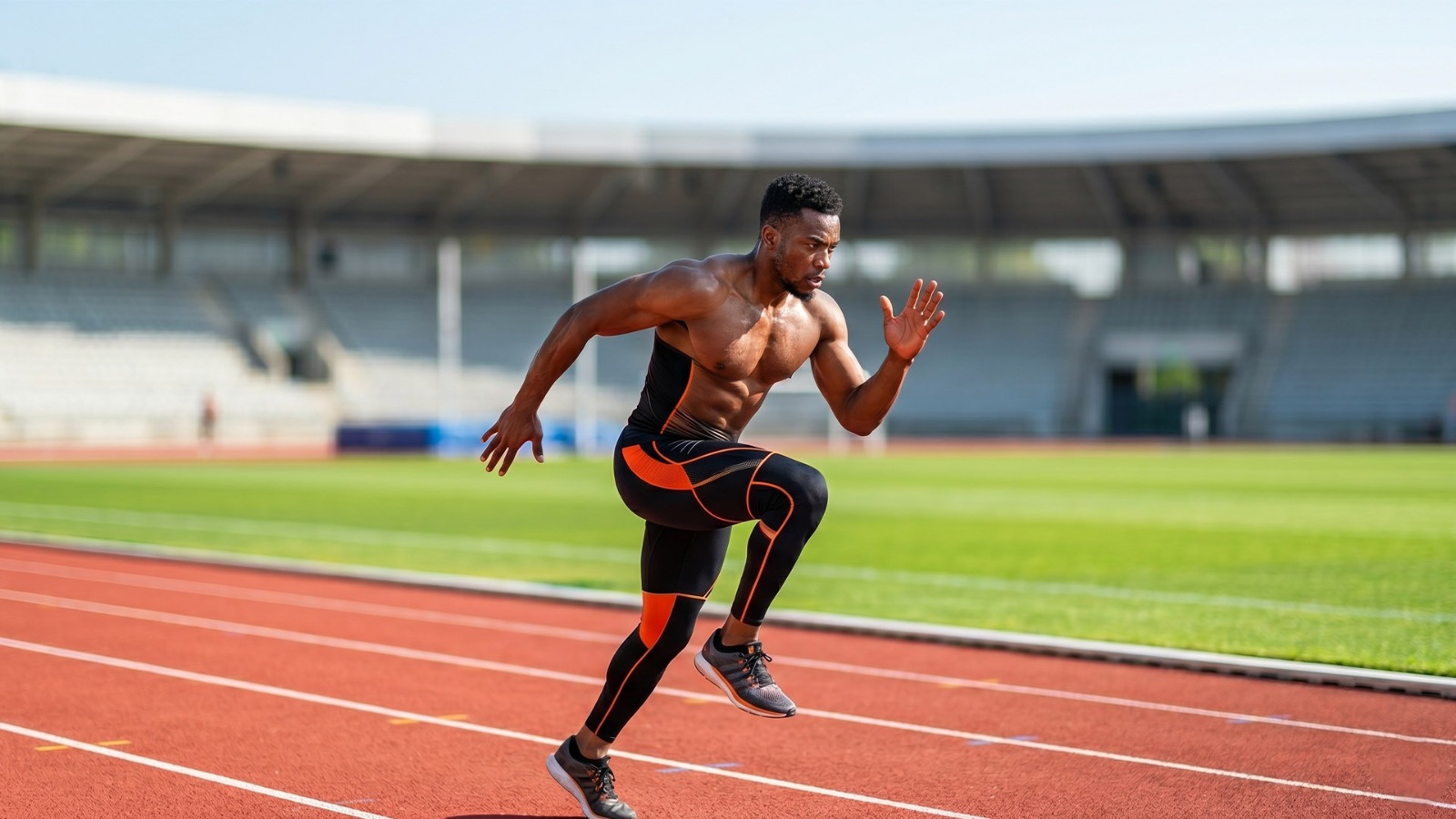
Speed is not just genetics. It is trainable.
Research from FIFA performance development programs shows that structured sprint training can improve acceleration performance by 5–10% in youth players within 8–12 weeks.
Speed mastery includes:
Deceleration is especially critical. Most ACL injuries occur during uncontrolled landing or cutting movements.
Practical Value:
Train deceleration as much as acceleration. Teach athletes how to stop safely.
Strength is not bodybuilding. It is performance insurance.
The American College of Sports Medicine confirms that resistance training in youth athletes improves performance and reduces injury risk when supervised correctly.
Benefits include:
Strength also enhances neural efficiency - meaning better coordination and faster reaction times.
Practical Value:
2–3 strength sessions per week are sufficient for most youth and semi-professional athletes.
Physical skills get you selected. Mental skills keep you performing.
Elite athlete studies referenced by the International Olympic Committee highlight that psychological skills training (goal setting, visualization, emotional control) directly improves competitive consistency.
Essential mental skills:
Most athletes train 10+ hours per week physically.
Almost none train their mindset.
Practical Value:
Add 5 minutes of visualization before training or matches. Mental reps build real neural pathways.
Improvement doesn’t happen during training. It happens during recovery.
The American Academy of Pediatrics reports that nearly 50% of youth sports injuries are preventable with proper rest and load management.
Recovery essentials:
Overtraining reduces performance and increases injury risk dramatically.
Practical Value:
Track sleep and training intensity. Simple monitoring prevents burnout.
They focus only on:
But ignore:
The result? Short peaks. Long plateaus. Frequent injuries.
In a world full of shortcuts, the athlete who masters fundamentals wins long term.
Master movement.
Build strength.
Train speed intelligently.
Develop mental resilience.
Prioritize recovery.
These are not trends.
They are performance laws backed by sports science.
And when applied consistently, they create not just better athletes — but stronger, healthier, more disciplined individuals.
That is real progress.
Powered by Froala Editor