

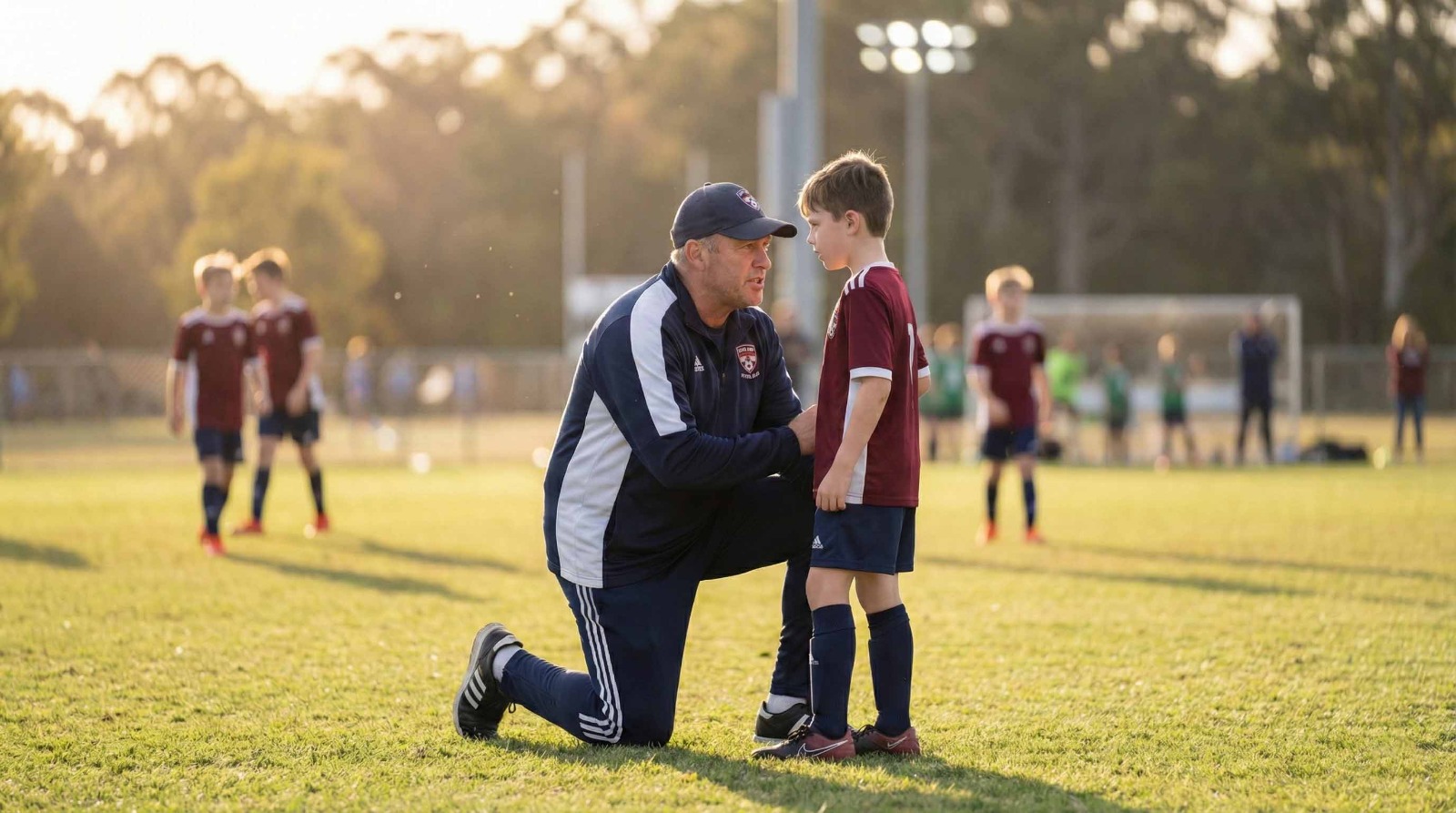
Parents often enroll their children in sports to keep them active. But modern research shows that sports do far more than improve physical health - they shape confidence, discipline, focus, emotional resilience, and long-term academic success.
When structured well, sports become one of the most powerful developmental tools for school-aged students.
Here’s what science, psychology, and education research reveal about how sports help children grow beyond the field.
Confidence grows when children see themselves improve.
In sports, students:
Psychological research shows that mastery experiences - moments where children overcome challenges - are one of the strongest drivers of self-confidence.
Unlike grades or exams, sports provide immediate feedback:
Children can feel themselves getting better, which strengthens belief in their own abilities.
Why it matters:
Confident children participate more, try harder, and fear failure less - both in school and in life.
Discipline isn’t built through pressure - it’s built through consistent habits.
Sports naturally create:
Studies in child development show that structured extracurricular activities help children develop:
Over time, these habits often carry into schoolwork, homework routines, and personal behavior.
Why it matters:
Children who learn discipline in sports often become more organized and reliable students.
Many sports require children to:
Research links regular physical activity to improved concentration, memory, and executive function - the brain skills responsible for planning and focus.
Physical movement increases blood flow to the brain, supporting:
Why it matters:
Students who participate in sports often show better focus in school and reduced restlessness.
School-aged children face increasing pressure - from academics, social life, and expectations.
Sports provide a healthy outlet to:
Psychologists note that children who engage in regular sports often develop:
They learn that setbacks are part of growth, not a reason to quit.
Why it matters:
Emotionally resilient children handle school challenges and social situations more effectively.
Sports environments teach children how to:
These social experiences help build:
Research in education shows that team-based activities help children develop stronger interpersonal skills - essential for future academic and professional success.
Why it matters:
Children who feel socially confident tend to perform better in school and social life.
One of the most powerful lessons in sports is learning that:
This builds a growth mindset - the belief that abilities improve through effort.
Students with a growth mindset:
Why it matters:
A child who learns not to fear failure becomes more resilient in school and future careers.
Contrary to the belief that sports distract from academics, research often shows the opposite.
Physically active students frequently demonstrate:
Sports teach students how to balance responsibilities, manage time, and stay committed - skills that directly support school success.
Why it matters:
Sports can enhance academic growth rather than compete with it.
When thoughtfully structured, sports become more than an activity - they become a development system that builds:
For parents and schools, investing in sports is not just about fitness - it’s about building capable, confident, and balanced students.
Powered by Froala Editor