
Sedentary Lifestyle in the Smart Device Era: More Dangerous Than Junk Food
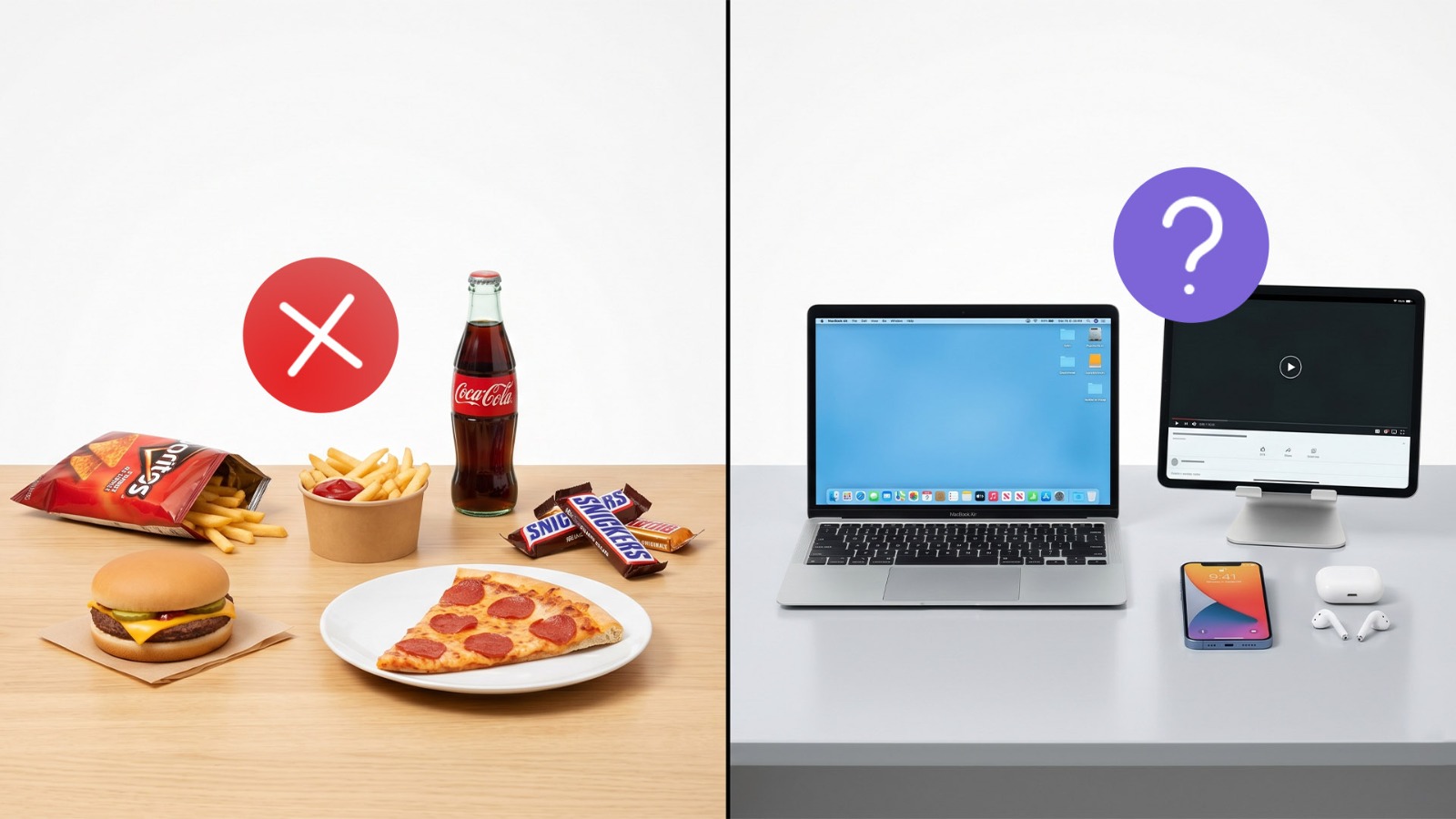
In today’s smart device era, sedentary lifestyles have quietly become one of the biggest threats to our health - often even more harmful than junk food. With hours spent scrolling on phones, working on laptops, binge - watching shows, and relying on technology for almost every task, physical movement has drastically decreased in daily life. While unhealthy food is often blamed for obesity and chronic diseases, prolonged sitting and lack of activity can silently damage the body by slowing metabolism, weakening muscles, increasing stress, and raising the risk of heart disease, diabetes, and poor mental health. The danger lies in how normal and unnoticed this inactivity has become, making sedentary behavior a modern health crisis that deserves far more attention.
1. The Hidden Danger of Sitting
We live in a world where being “active online” feels like a badge of productivity. But here’s the hard truth: your body doesn’t care if you scroll, swipe, or type - it only reacts to movement.
- The average adult sits 9–10 hours a day.
- Sitting more than 8 hours daily increases risk of heart disease, diabetes, cancer, and early death. (Source: Lancet Physical Activity Series)
Sitting is silently killing more people than junk food. And unlike unhealthy snacks, it’s invisible until it’s too late.
2. Why Sitting Is Worse Than You Think
Even if you exercise once a day, sitting for long periods can still harm you. This is called “active couch potato syndrome.”
- Metabolic slowdown: Calories burned drop; insulin sensitivity decreases.
- Circulatory issues: Blood flow slows → higher risk of clotting.
- Postural problems: Back pain, spine compression, rounded shoulders.
Fact: Just 2 hours of uninterrupted sitting can change your body chemistry in ways that affect long-term health. (Source: WHO Physical Activity Guidelines)
3. Sitting vs Junk Food: The Real Comparison
- Heart Disease:
Junk food → +15–25% risk
Sitting >8 hrs/day → +36–49% risk
- Type 2 Diabetes:
Junk food → moderate increase
Sitting → strong increase
- Obesity:
Junk food → high risk
Sitting → very high risk
- Inflammation: Both increase inflammation
- Lifespan:
Junk food → -2 to 3 years
Sitting → -3 to 5 years
4. Real-Life Consequences
People often underestimate the cost of sitting:
- Obesity: Muscles inactive → fewer calories burned → fat accumulation.
- Diabetes: Blood sugar spikes more after meals when sitting.
- Mental health: Less movement = higher risk of anxiety & depression.
The scary part: Most of these risks start within weeks, not years, if sitting is constant.
5. Movement Hacks That Actually Work
Stop thinking “exercise” only means gym. Small, frequent movements make the biggest difference:
🔹 Break Up Sitting
- Stand 2–3 minutes every 30 minutes
- Walk 20–50 steps after emails or calls
- Stretch shoulders, neck, and back
🔹 Micro Workouts
- 10 squats or lunges every hour
- 1-minute plank or wall sit
- Desk push-ups during breaks
🔹 Smart Device Tricks
- Phone reminders to stand or walk
- Pomodoro technique: 25 min work → 5 min movement
- Track steps: aim for 7,500–10,000 steps/day
Small, consistent changes are far more effective than a single long workout.
6. Daily Movement Checklist
Use this simple template to track and improve:
- Hours spent sitting today
- Number of standing breaks
- Steps walked
- Micro workouts completed
- Energy & mood score
Tracking is not just for stats - it motivates action.
7. Quick Tips for Real Change
- Stand while on calls
- Use stairs instead of elevators
- Drink more water → forces you to get up
- Rearrange your workspace to encourage movement
Don’t wait for a health scare. Small changes today prevent big problems tomorrow.
Closing Thoughts
Your screen may keep your mind busy, but your body is starving for movement.
Scrolling doesn’t burn calories, clicking doesn’t strengthen your heart, and liking a post doesn’t improve circulation.
Move more, sit less. It’s simple, measurable, and life-changing.
Powered by Froala Editor